

The CREST Registered Threat Intelligence Analyst (CRTIA) certification represents a pivotal benchmark for professionals dedicated to cyber threat intelligence, a domain critical in today's rapidly evolving digital landscape. This rigorous credential, meticulously offered by CREST, validates an individual’s exceptional ability to collect, process, and analyze diverse threat data with precision. By transforming raw information into actionable intelligence, CRTIA-certified professionals equip organizations with proactive insights to protect against sophisticated cyber risks.
Pursuing the CRTIA demonstrates profound commitment to excellence, equipping analysts with critical skills to navigate complex threat landscapes and significantly contribute to an organization's defensive posture. This certification ensures a globally recognized standard of proficiency, setting its holders apart as experts.
Further insights into successful preparation strategies can be found on platforms like Linkedin Top Tips for CRTIA Succes
Validate Expertise with CRTIA Certification
Achieving the CREST CRTIA certification unequivocally confirms an analyst’s superior proficiency in core threat intelligence tenets and advanced applications. It signals to employers and peers that the certified professional possesses a deep, operational understanding of sophisticated intelligence methodologies, from strategic gathering to meticulous tactical analysis. This validation extends beyond theoretical knowledge, rigorously emphasizing the practical application of complex skills to intricate, real-world cyber scenarios. Such a comprehensive approach makes the CRTIA a highly respected credential, highlighting a candidate's readiness for high-stakes intelligence roles.
Earning this esteemed certification underscores several key capabilities:
- Methodological Command: Demonstrating deep expertise in globally recognized threat intelligence frameworks such as MITRE ATT&CK and the Cyber Kill Chain, understanding their application and limitations.
- Analytical Rigor: Proving an advanced ability to conduct thorough, systematic analysis of adversary behaviors, motivations, and capabilities, synthesizing disparate data for informed judgments.
- Reporting Excellence: Mastering the production of clear, concise, and highly actionable intelligence reports, tailored for diverse audiences from technical staff to executive decision-makers.
- Ethical Operations: Possessing a profound understanding of legal and ethical considerations in intelligence collection, ensuring responsible, compliant, and integrity-driven activities.
Enhance Your Threat Intelligence Capabilities
The CRTIA program is meticulously designed to profoundly elevate an analyst's skill set across the entire, dynamic threat intelligence lifecycle. It robustly covers critical operational areas such as collection management, efficient processing, sophisticated exploitation, rigorous analysis, and effective dissemination. This ensures a holistic, end-to-end understanding of how intelligence functions optimally within any organizational security framework. This enhancement refines a strategic and proactive mindset essential to identify, anticipate, and mitigate emerging threats before they materialize, drastically reducing organizational risk.
This comprehensive approach fosters a robust set of skills immediately applicable in demanding field operations:
- Advanced Data Sourcing: Mastering identification and strategic leveraging of diverse intelligence sources, encompassing OSINT techniques and proprietary channels.
- Precision Threat Modeling: Developing sophisticated models to accurately predict adversary actions, assess potential impact, and forecast future threat trajectories.
- Proactive Indicator Management: Expertly managing, enriching, and operationalizing Indicators of Compromise (IOCs) and Indicators of Attack (IOAs) within security platforms.
- Mitigating Cognitive Biases: Cultivating awareness and practical understanding of human cognitive biases, employing techniques to produce objective and accurate intelligence products.
For those seeking to sharpen their analytical edge, exploring various learning resources is beneficial. Comprehensive CREST Registered Threat Intelligence Analyst training courses delve into these topics with practical exercises.
Charting Your Career Path with CREST CRTIA
Holding the CREST CRTIA certification significantly broadens and accelerates professional horizons for dedicated threat intelligence analysts, acting as a powerful differentiator in a competitive global job market. This esteemed credential elevates an individual's profile, making them a prime candidate for advanced, high-responsibility roles and pivotal leadership opportunities within sophisticated cybersecurity teams. Certified individuals are highly sought after for their proven ability to contribute strategic value by anticipating complex adversary movements and evolving cyber threats, thereby strengthening an organization's resilience.
The CRTIA credential robustly supports progression into various high-impact and strategically critical roles:
- Senior Threat Intelligence Analyst: Leading advanced intelligence collection, analysis, and reporting, often mentoring junior analysts.
- Cyber Threat Hunter: Proactively seeking hidden threats within networks, leveraging deep intelligence to uncover sophisticated attack patterns.
- Security Operations Center (SOC) Lead: Overseeing daily SOC operations, integrating threat intelligence into incident detection and response.
- Incident Response Specialist: Utilizing threat intelligence to rapidly understand the scope, impact, and attribution of cyber incidents.
- Cybersecurity Consultant (Intelligence Focus): Advising clients on building robust threat intelligence programs and enhancing security posture.
This certification is strategically designed to equip professionals with transferable, cutting-edge skills, making it invaluable for those aspiring to shape the future of proactive cyber defense. Organizations recognize the profound CRTIA certification benefits and career path it enables, consistently prioritizing candidates with this superior level of validated expertise.
Mastering Threat Intelligence Life Cycle Operations
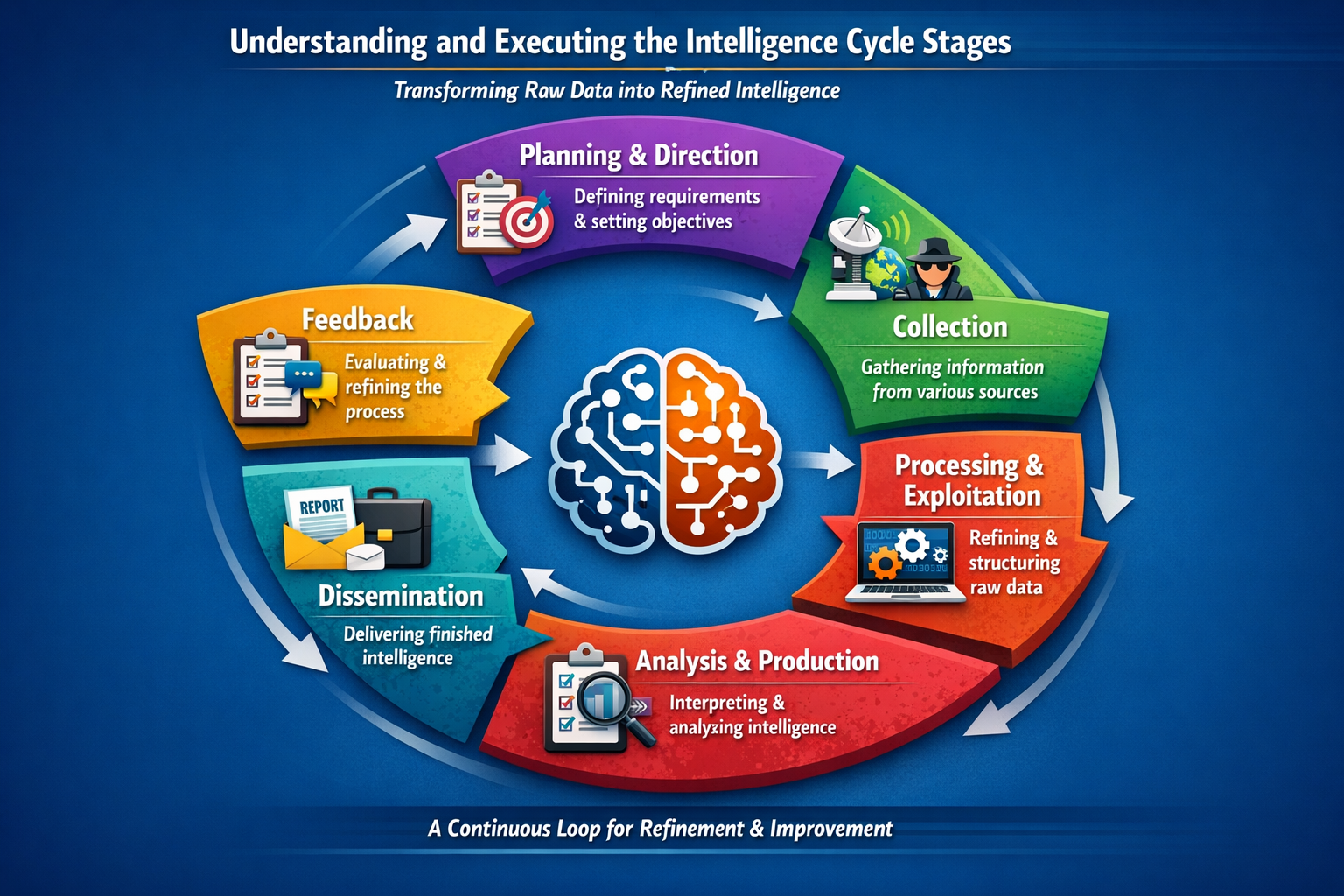 The foundational core of the CRTIA certification lies in its exhaustive emphasis on the complete, cyclical threat intelligence lifecycle. Candidates are rigorously expected to not only possess a deep theoretical understanding but also demonstrate undeniable practical proficiency in its meticulous execution. This critical mastery encompasses precise planning and direction of requirements, systematic collection of relevant data, thorough processing and exploitation, rigorous analysis, and finally, timely and impactful dissemination of actionable intelligence to appropriate stakeholders. This holistic understanding ensures intelligence efforts are purposeful and aligned with an organization's strategic security objectives.
Understanding and Executing the Intelligence Cycle Stages
Each stage plays a crucial role in transforming raw data into refined, impactful intelligence:
- Planning and Direction: Defining intelligence requirements, scoping the problem, and setting clear objectives based on organizational needs and priorities.
- Collection: Gathering raw information from diverse sources (OSINT, HUMINT, SIGINT), ensuring alignment with requirements and adherence to ethical/legal boundaries.
- Processing and Exploitation: Refining raw, unstructured data into usable formats through decryption, translation, data parsing, and entity extraction for deeper analysis.
- Analysis and Production: Interpreting processed information to identify patterns, draw conclusions, and forecast potential threats. Hypotheses are rigorously tested and refined here.
- Dissemination: Delivering finished intelligence products to relevant consumers in a timely, clear, and accessible manner, tailoring format and content for maximum impact.
- Feedback: A continuous loop of evaluating intelligence products and processes. Feedback from consumers is vital for refining and improving future cycles, ensuring relevance.
Strategic Preparation for the CRTIA Exam
Successful preparation for the CREST CRTIA certification demands a structured, dedicated, and multi-faceted approach, blending theoretical study, intensive practical application, and strategic self-assessment. Prospective candidates should thoroughly familiarize themselves with the intricate CREST CRTIA exam syllabus and topics, prioritizing areas needing deeper attention. A well-rounded study plan must include official CREST documentation, reputable training, extensive hands-on practice, and consistent self-evaluation to ensure readiness for the challenging exam.
Key Pillars of an Effective CRTIA Study Strategy
- Syllabus Deep Dive: Obtain and meticulously review the official CREST CRTIA Syllabus Document for a comprehensive breakdown of domains and their coverage.
- Structured Training: Consider enrolling in CREST Registered Threat Intelligence Analyst training courses from accredited providers for structured knowledge and expert insights.
- Practical Application: Engage in realistic threat hunting exercises, intelligence report writing, and analysis of real-world threat actors to solidify theoretical understanding.
- Recommended Reading: Actively consult CREST CRTIA recommended books and authoritative industry-standard texts on intelligence analysis and OSINT techniques.
- Practice Questions: Utilize CREST CRTIA practice questions and mock exams to gauge readiness. Edusum offers valuable sample questions at CRTIA Exam Practice Resources.
Diligent, systematic, and ethically sound preparation enhances exam readiness and builds a stronger foundation for a successful career. Adherence to ethical examination practices, rejecting any form of dumps, reinforces professional integrity.
Realizing Tangible Benefits of CRTIA Credential
Beyond initial skill validation, the CRTIA certification offers concrete, quantifiable advantages directly impacting an analyst’s professional efficacy and career trajectory. These benefits are evident in enhanced job prospects, often leading to higher earning potential, and a greater capacity to strategically influence an organization’s security posture. Professionals holding this credential are consistently seen as invaluable, high-impact assets, deeply capable of delivering measurable contributions by proactively anticipating and neutralizing sophisticated cyber threats. This makes a compelling case for "is CREST CRTIA certification worth it" as a strategic career move.
Direct and Long-term Professional Advantages
- Unmatched Industry Recognition: CREST is globally recognized, ensuring CRTIA certification carries significant weight across various sectors and regulatory landscapes, signifying adherence to stringent professional standards.
- Advanced Skillsets: The certification meticulously hones advanced analytical techniques, critical thinking, and adaptive problem-solving skills, making certified individuals more effective in complex threat environments.
- Elevated Strategic Influence: Equipped with superior, data-driven intelligence, CRTIA professionals are uniquely positioned to guide strategic security decisions, transitioning organizations to a proactive, intelligence-led security posture.
- Exclusive Networking: Becoming part of the CREST certified community offers unparalleled networking opportunities with an elite circle of leading cybersecurity experts and thought leaders worldwide.
- Increased Earning Potential: The proven expertise validated by CRTIA often correlates directly with a higher salary ceiling and enhanced career mobility, as employers invest more in certified professionals.
Sustaining Professional Excellence with CRTIA
The contemporary threat landscape is dynamic, demanding unwavering commitment to continuous learning and agile adaptation from intelligence professionals. The CRTIA certification not only furnishes a robust foundation but also actively encourages a proactive mindset of ongoing professional development and skill refinement. Sustaining this excellence involves diligently staying current with rapidly evolving threats, emerging intelligence tools, advanced methodologies, and shifting geopolitical contexts. This reinforces and maximizes the initial significant investment in certification, ensuring an analyst's enduring relevance and effectiveness.
Foundational Aspects of Ongoing Growth
- Vigilant Threat Monitoring: Regularly consuming diverse threat intelligence feeds, authoritative industry reports, and academic research is crucial for maintaining relevance and foresight in a volatile environment.
- Continuous Tool Proficiency: Actively exploring and mastering new intelligence analysis tools, data visualization platforms, and automation frameworks enhances analytical capabilities and streamlines workflows.
- Vibrant Community Engagement: Proactively participating in specialized threat intelligence forums, industry conferences, and collaborative platforms fosters invaluable knowledge sharing and collective problem-solving.
- Upholding Ethical Standards: Championing the highest ethical standards and legal compliance in all facets of intelligence collection, processing, and dissemination is paramount, maintaining credibility and protecting privacy.
- Cross-Disciplinary Learning: Expanding knowledge into adjacent cybersecurity domains like incident response and digital forensics provides a holistic understanding of the attack chain, enriching intelligence products.
Optimizing Your Learning Journey for CRTIA Success
Embarking on the path to CRTIA certification requires meticulous planning, strategic resource utilization, and a resilient mindset. Optimizing this learning process means identifying the absolute best study materials for CREST CRTIA and rigorously tailoring a comprehensive preparation strategy. From foundational official CREST guides to invaluable community resources and advanced practical labs, a thoughtfully blended and adaptive approach invariably yields robust preparation and significantly boosts confidence. This structured approach helps demystify the CREST CRTIA exam difficulty level, making it manageable.
Structuring Your Comprehensive Study Regime
- Thorough Official Resources: Begin with the CREST official website for insights into exam format, objectives, and prerequisites. The official CREST CRTIA page is your primary source for accurate, up-to-date information.
- Immersive Hands-on Labs: Practical experience with key intelligence tools like MALTEGO, MISP, and various OSINT frameworks is invaluable. Setting up a dedicated home lab for simulated scenarios boosts practical understanding.
- Collaborative Peer Study Groups: Collaborating with aspiring CRTIA candidates or seeking mentorship provides diverse perspectives, clarifies complex topics, and builds a supportive learning network.
- Effective Time Management: Develop a realistic, disciplined study schedule, allocating sufficient time to each core domain of the syllabus, especially those needing deeper understanding or practical skills.
- Simulated Exam Practice: Simulate the actual exam environment under timed conditions to improve pacing, reduce test anxiety, and familiarize yourself with the pressure of a proctored setting.
Frequently Asked Questions
- What is the CREST CRTIA certification?
- The CREST CRTIA certification validates expertise in collecting, processing, analyzing, and disseminating actionable threat intelligence. It’s a globally recognized credential for mitigating cyber risks effectively.
- Is the CREST CRTIA certification worth it for a cybersecurity professional?
- Yes, it's highly valuable. It enhances career prospects, leads to advanced roles, and provides a significant competitive edge by demonstrating a deep understanding of threat intelligence.
- How difficult is the CREST CRTIA exam?
- The CRTIA exam is challenging, designed for experienced professionals. It assesses both theoretical knowledge and practical application, requiring thorough preparation and hands-on experience for success.
- What are the key areas covered in the CRTIA exam syllabus?
- The syllabus covers the entire threat intelligence lifecycle: planning, collection, processing, analysis, dissemination, and feedback. Key topics include threat modeling, OSINT, and intelligence reporting.
- What kind of career opportunities does the CRTIA certification open up?
- It opens doors to roles like Senior Threat Intelligence Analyst, Cyber Threat Hunter, SOC Lead, Incident Response Specialist, and Cybersecurity Consultant, providing highly valued skills across sectors.
Conclusion
The CREST Registered Threat Intelligence Analyst (CRTIA) certification is more than a credential; it's a testament to advanced capabilities and unwavering commitment to safeguarding the digital realm. It equips professionals with expertise to proactively counter sophisticated cyber threats, offering profound personal growth and significant career advantages. By validating comprehensive understanding of the threat intelligence lifecycle and fostering continuous learning, CRTIA establishes its holders as indispensable assets in any organization's cybersecurity defense.
Embrace the opportunity to elevate your expertise and join an elite group of cybersecurity professionals. Pursue your CRTIA certification today and unlock a future brimming with potential. Explore further articles and resources on advancing your cybersecurity career by visiting Cybersecurity Blog Hub.