isaca


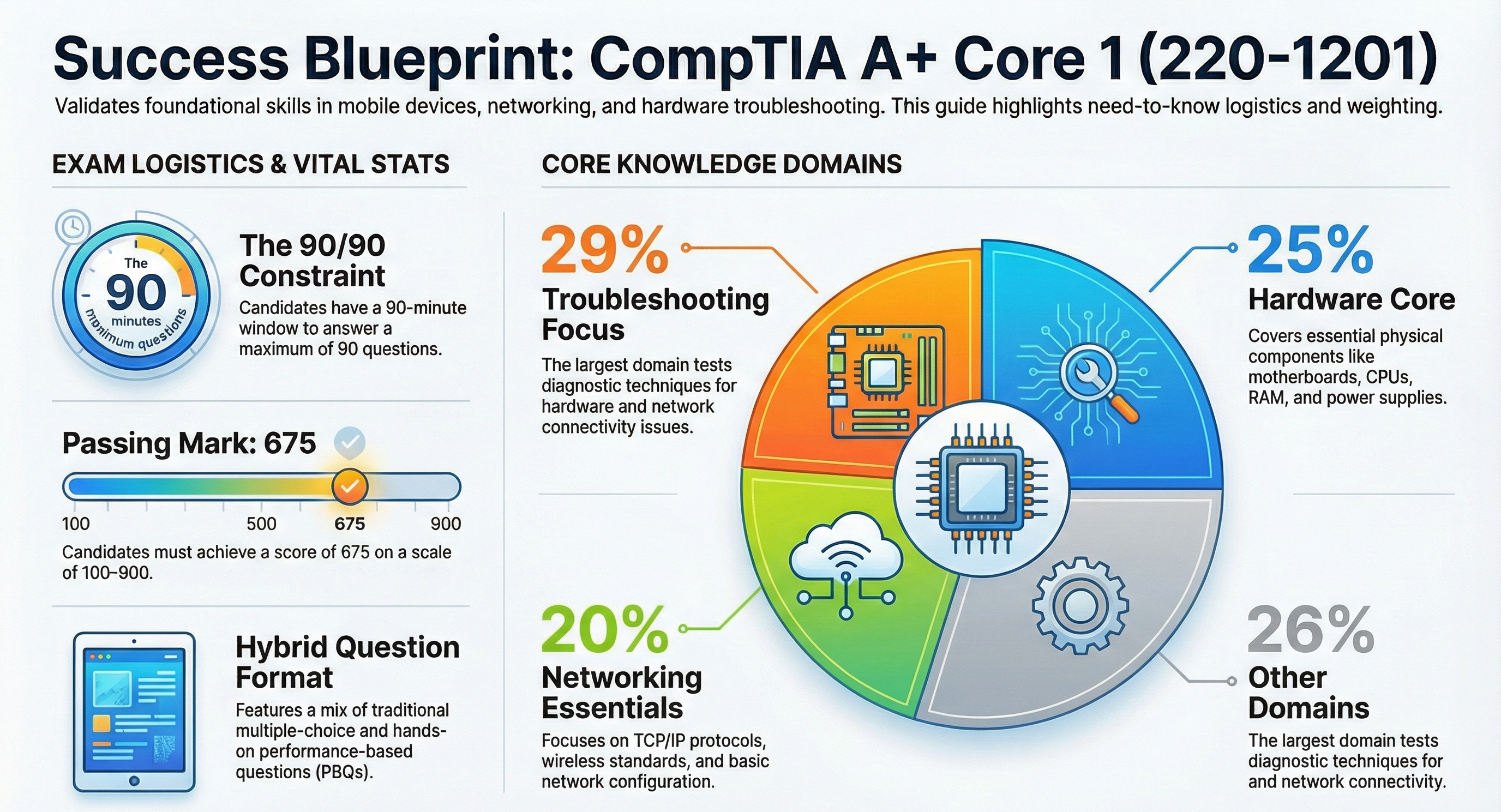
The CompTIA A+ 220-1201 certification serves as a foundational credential for individuals embarking on or solidifying their careers in IT support and operations. This exam, known as Core 1, validates essential skills required for entry-level IT professionals, covering critical areas often encountered in real-world technical environments.
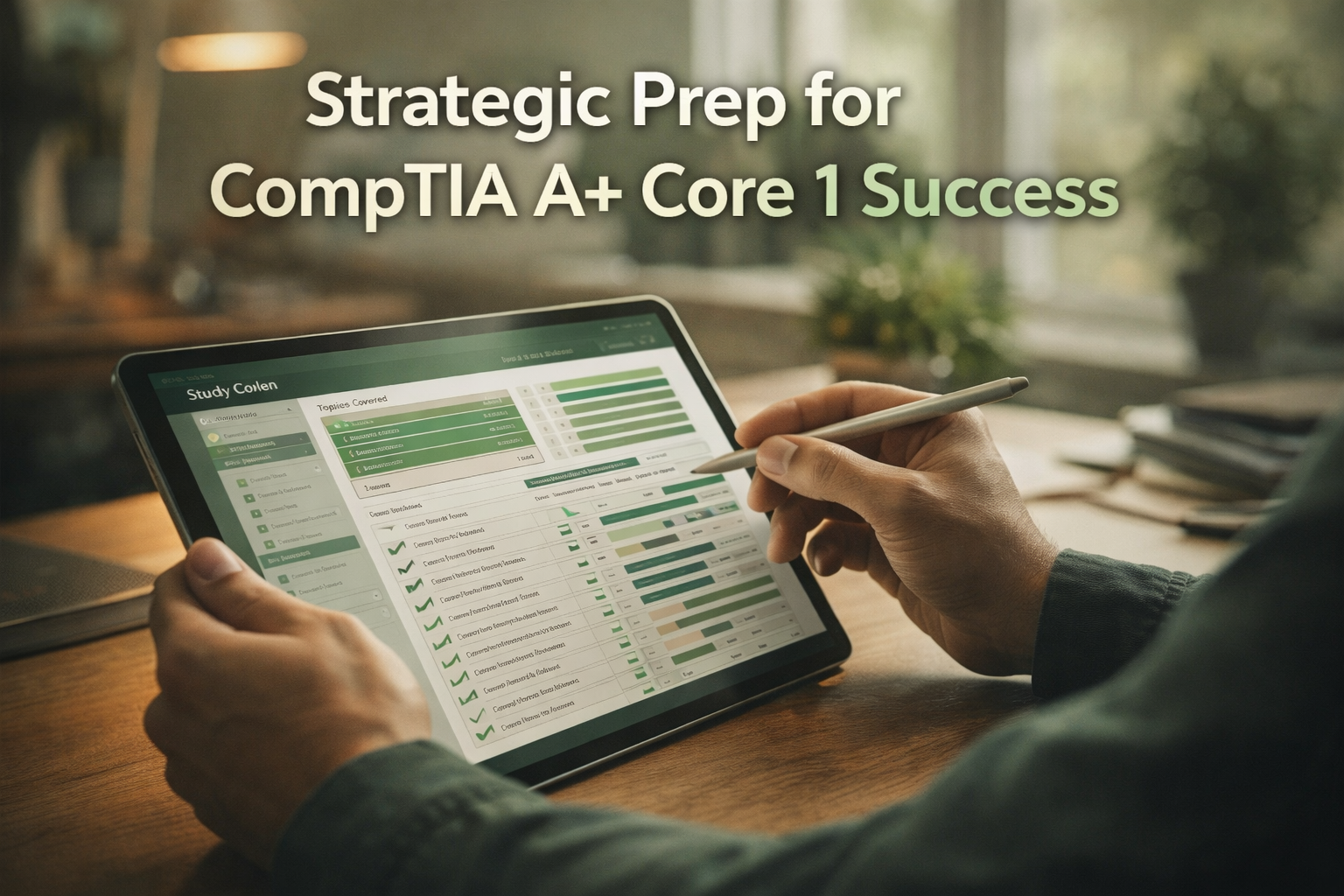 Aspiring technicians often question the tangible value this certification brings to their professional journey, marketability, and overall skill development, deciding to pursue it as a significant career step.
The CompTIA A+ 220-1201 exam is designed to assess the knowledge and abilities of individuals aspiring to or currently working in fundamental IT roles. It represents the first of two exams (Core 1 and Core 2) required to earn the full CompTIA A+ certification. This particular component focuses on foundational hardware, mobile device management, networking, and virtualization concepts. Its primary purpose is to establish a baseline of proficiency that employers can trust when hiring for technical support, help desk, and similar entry-level positions across various industries.
For many, this certification acts as a gateway into the broader IT field, providing a structured learning path and a universally recognized credential. It signifies that a candidate possesses a broad understanding of the technologies that underpin modern business operations. The skills validated by the CompTIA A+ 220-1201 are not just theoretical; they are directly applicable to diagnosing, troubleshooting, and resolving common IT issues, which is crucial for maintaining operational efficiency in any organization.
A wide range of individuals can find significant value in pursuing the CompTIA A+ 220-1201 certification. Its broad scope makes it relevant for various career stages and aspirations within the tech landscape. Understanding the target audience helps clarify its worth.
New IT Entrants: For those with little to no prior IT experience, the A+ Core 1 provides a comprehensive introduction to fundamental concepts and best practices, equipping them with a solid knowledge base to begin their professional journey.
Career Changers: Professionals transitioning into IT from other fields can leverage this certification to demonstrate a foundational understanding and commitment to their new career path, bridging knowledge gaps effectively.
Help Desk & Technical Support Specialists: Individuals currently in these roles can validate their existing skills and potentially advance their careers, proving their proficiency in diagnosing and resolving hardware and networking issues.
Field Service Technicians: Those responsible for on-site hardware installation, maintenance, and troubleshooting will find the practical knowledge gained highly beneficial in their day-to-day tasks.
Embarking on an IT career requires a clear starting point, and the CompTIA A+ 220-1201 often serves as that crucial first step. It equips candidates with a recognized credential that can open doors to various entry-level positions and establish a foundation for more specialized roles in the future. The certification addresses a core demand in the job market for individuals who can capably manage and support essential IT infrastructure.
Employers consistently seek candidates who possess verifiable skills, and the A+ certification provides that proof. It signals to hiring managers that an applicant has undergone a standardized evaluation and meets industry-accepted benchmarks for foundational technical competence. This can significantly differentiate a candidate in a competitive job market, leading to more interview opportunities and potentially better starting salaries.
The skills covered by the CompTIA A+ 220-1201 are directly applicable to numerous entry-level and support-focused IT positions. While specific job titles may vary by organization, the core responsibilities align closely with the certification's objectives.
IT Support Specialist: Providing technical assistance and troubleshooting to end-users, often involving hardware, software, and network connectivity issues.
Help Desk Technician: Serving as the first point of contact for technical problems, documenting issues, and resolving common incidents remotely or in person.
Field Service Technician: Performing installations, repairs, and maintenance of computer systems and peripherals at client locations.
Desktop Support Administrator: Managing and maintaining desktop computers, operating systems, and applications within an organization.
Associate Network Administrator: Assisting with the maintenance and troubleshooting of local area networks (LANs) and basic network configurations.
These roles typically require a blend of technical knowledge, problem-solving abilities, and customer service skills, all of which are implicitly supported by the A+ training.
While the specific domains of the CompTIA A+ 220-1201 exam are not detailed here, the overarching goal of the certification is to cultivate a robust set of core capabilities essential for any aspiring IT professional. These skills are fundamental to diagnosing, maintaining, and supporting the diverse technological ecosystem found in today's workplaces. Developing these capabilities ensures candidates are ready to tackle practical challenges effectively.
The certification fosters a problem-solving mindset, teaching candidates to approach technical issues systematically. This includes understanding how different components interact, identifying potential points of failure, and implementing logical steps to restore functionality. Such analytical rigor is invaluable, extending beyond specific technical knowledge to build transferable critical thinking skills. It prepares individuals not just for known problems but also for adapting to new technologies and unforeseen complications.
The CompTIA A+ Core 1 typically emphasizes several key areas that are universally relevant in IT support. These areas form the bedrock of an IT professional's ability to keep systems running smoothly and efficiently.
Hardware Management: Understanding the components of PCs, laptops, and mobile devices; how to install, configure, and troubleshoot them. This includes CPUs, RAM, storage devices, and peripherals.
Mobile Device Support: Skills related to supporting smartphones and tablets, including configuring connectivity, troubleshooting common issues, and understanding mobile operating systems.
Networking Essentials: Basic network types, protocols (TCP/IP), cabling, and troubleshooting common connectivity problems. This forms the basis for understanding how devices communicate.
Virtualization and Cloud Computing: An introduction to virtual machines and the fundamental concepts of cloud computing, recognizing their growing importance in modern IT infrastructure.
Troubleshooting Methodologies: Developing a systematic approach to identify, analyze, and resolve technical issues across various hardware and software platforms.
These foundational capabilities ensure that a certified individual can contribute immediately to an IT team, effectively addressing a wide array of technical challenges. For more details, consult the detailed exam blueprint directly from CompTIA.
Earning the CompTIA A+ 220-1201 certification extends beyond merely acquiring technical knowledge; it confers a tangible set of advantages that can significantly enhance a candidate's career trajectory. These benefits range from improved employability to increased earning potential and professional credibility. The certification acts as a recognized marker of a professional's commitment to the IT field and their foundational competence.
One of the most immediate benefits is the validation it provides. In a job market where practical skills are paramount, a certification like A+ offers concrete proof of an individual's capabilities, reducing the risk for potential employers. This external validation is particularly valuable for entry-level candidates who may lack extensive work history. Furthermore, it often serves as a prerequisite or preferred qualification for many IT roles, positioning certified individuals favorably.
The CompTIA A+ certification, including the Core 1 exam, is widely recognized as an industry standard. This recognition translates into various opportunities for career growth and professional acknowledgment.
Enhanced Employability: Many employers specifically look for A+ certification on resumes, streamlining the hiring process for entry-level IT roles. It acts as a pre-screening filter.
Increased Earning Potential: While not a guarantee, certified professionals often command higher starting salaries and have better prospects for raises compared to their uncertified counterparts.
Industry Credibility: Holding a CompTIA certification establishes a professional's credibility and dedication to maintaining up-to-date knowledge in a rapidly evolving tech landscape.
Pathway to Specialization: The A+ provides a strong foundation upon which to build more specialized certifications like Network+, Security+, or vendor-specific credentials.
Personal Confidence: Successfully passing a challenging certification exam boosts an individual's self-assurance in their technical abilities and problem-solving skills, which is invaluable in any role.
Successfully tackling the CompTIA A+ 220-1201 exam requires a well-structured and disciplined preparation strategy. Given the breadth of topics covered, a systematic approach ensures comprehensive understanding and retention. Effective preparation goes beyond simply memorizing facts; it involves understanding concepts, applying knowledge, and building problem-solving intuition. Candidates should allocate sufficient time and utilize a variety of resources to maximize their chances of success.
A key aspect of preparation is familiarizing yourself with the exam structure and question types. While details are not provided here, knowing how questions are presented helps in developing test-taking strategies. Engaging with interactive learning materials and hands-on labs can greatly enhance comprehension of practical concepts. Many successful candidates attest to the importance of consistent study and regular review sessions to solidify their understanding.
Developing an effective study plan involves several components, each contributing to a holistic learning experience. Focusing on these elements can significantly improve preparation efficiency.
Official Resources: Begin by consulting the official CompTIA details for any available study guides or recommended materials.
Quality Study Guides: Invest in reputable textbooks and online courses that cover all aspects of the CompTIA A+ Core 1 content. Look for materials that provide clear explanations and practical examples.
Hands-On Practice: Whenever possible, gain practical experience with hardware, operating systems, and networking components. Virtual labs or personal test setups can be invaluable for reinforcing theoretical knowledge.
Practice Questions: Regularly test your knowledge with practice questions. These help identify areas of weakness and familiarize you with the exam format. For robust preparation, consider a resource like realistic practice tests to simulate the actual exam environment.
Review and Retention: Schedule dedicated time for reviewing difficult topics and consolidating your understanding. Flashcards, summary notes, and group study can be effective tools for retention.
Adhering to an ethical preparation approach is critical; relying on illicit materials like "dumps" not only jeopardizes your certification but also undermines the value of your earned credential. Focus on genuine learning for long-term success.
While the CompTIA A+ 220-1201 offers significant advantages, the journey to certification is not without its challenges. Candidates frequently encounter obstacles that require resilience, strategic planning, and effective problem-solving. Acknowledging these hurdles beforehand allows for better preparation and the development of coping mechanisms, ultimately increasing the likelihood of success. Common issues often revolve around time constraints, information overload, and maintaining motivation throughout the study period.
Managing the vast amount of information required for the exam can be daunting. The A+ covers a broad spectrum of fundamental IT topics, demanding a solid grasp of diverse concepts rather than deep specialization in one area. This breadth can make it difficult to prioritize study areas and ensure comprehensive coverage. Furthermore, many candidates balance their studies with work or other commitments, making consistent dedication a logistical challenge. Developing a structured schedule and sticking to it is crucial for navigating these complexities.
Addressing common challenges head-on with targeted strategies can significantly ease the certification process. Proactive measures can transform potential roadblocks into opportunities for growth and deeper learning.
Time Management: Create a detailed study schedule and commit to it. Break down study sessions into manageable chunks to avoid burnout and ensure consistent progress.
Active Learning: Instead of passive reading, engage with the material through labs, practice questions, and by teaching concepts to others. This reinforces understanding and improves recall.
Seek Support: Join online forums, study groups, or connect with mentors. Discussing concepts and challenges with peers can provide new perspectives and motivation.
Mindset and Self-Care: Maintain a positive attitude, celebrate small victories, and prioritize self-care to avoid stress and fatigue. A well-rested mind performs better.
Simulate Exam Conditions: Practice taking full-length exams under timed conditions. This helps build endurance, manage test anxiety, and refine pacing strategies for the actual exam. Learn more about effective test strategies by checking an ultimate practice guide.
 Boosting Your Professional Profile
Beyond the immediate acquisition of technical knowledge, the CompTIA A+ 220-1201 certification serves as a powerful enhancer for your professional profile. In an increasingly competitive job market, standing out is paramount, and a recognized credential can provide that distinct advantage. It transforms a resume from a mere list of experiences into a testament of validated skills and industry alignment, making you a more attractive candidate to potential employers.
The certification demonstrates not only technical competence but also a strong sense of initiative and a commitment to professional development. Employers value candidates who actively invest in their own learning and growth, as this often translates into a more dedicated and adaptable employee. Including CompTIA A+ 220-1201 on your resume and LinkedIn profile effectively communicates your foundational expertise and readiness to contribute meaningfully to an IT team.
The benefits of certification extend directly into the interview process, where it can provide a distinct advantage. Having an A+ can significantly influence how your application is perceived and how you perform during interviews.
Resume Filtering: Many applicant tracking systems (ATS) and hiring managers use certifications as keywords to filter candidates, ensuring your resume gets seen.
Conversation Starter: The certification can serve as a natural starting point for discussions about your technical skills and problem-solving approaches during an interview.
Credibility Boost: Interviewers will often assume a higher baseline of knowledge, allowing you to focus on demonstrating your soft skills and cultural fit.
Demonstrated Dedication: It showcases your proactive attitude toward learning and commitment to a career in IT, qualities highly valued by employers.
Confidence in Responses: Having a solid understanding of fundamental IT concepts, as validated by the A+, allows you to answer technical questions with greater assurance.
The CompTIA A+ 220-1201, while a powerful entry-level credential, is often just the beginning of a continuous learning journey in the dynamic world of IT. It provides a robust foundation upon which more specialized knowledge and advanced certifications can be built. Understanding the potential pathways for progression helps certified professionals plan their career trajectory and target further development that aligns with their interests and market demands. The tech industry values continuous learning, and A+ sets a precedent for this mindset.
As technology evolves, so too must the skills of IT professionals. Building on the broad knowledge gained from A+, individuals can explore areas like networking, cybersecurity, cloud administration, or server management. Each subsequent certification deepens expertise in a particular domain, enhancing career prospects and opening doors to more advanced and specialized roles. This layered approach to certification ensures a well-rounded and continually growing skill set, making professionals invaluable assets to organizations.
For those who have successfully navigated the CompTIA A+ 220-1201 and Core 2 exams, several logical next steps can further specialize and advance their IT careers. These pathways cater to different interests within the vast IT landscape.
CompTIA Network+: Focuses on networking concepts, protocols, troubleshooting, and infrastructure. Ideal for those interested in network administration.
CompTIA Security+: Covers core cybersecurity concepts, risk management, threat detection, and incident response. Essential for a career in IT security.
CompTIA Cloud+: Explores cloud computing concepts, services, and deployment models across various platforms. Suitable for cloud administrators and architects.
CompTIA Server+: Validates skills in server installation, management, maintenance, and troubleshooting in data centers and on-premise environments.
Vendor-Specific Certifications: Once a strong foundation is established, professionals might pursue certifications from specific vendors like Microsoft, Cisco, or AWS to specialize in particular technologies or platforms.
Deciding to pursue the CompTIA A+ 220-1201 certification involves an investment of both time and money. Therefore, a careful evaluation of the potential return on investment (ROI) is crucial. This assessment helps prospective candidates weigh the costs against the tangible and intangible benefits, ensuring that their efforts align with their career aspirations. Considering the long-term impact on earning potential, job security, and career satisfaction can help justify the initial outlay.
The costs associated with certification typically include exam fees, study materials, and potentially training courses. These expenses need to be balanced against the increased employability, higher earning potential, and career acceleration that a recognized credential can provide. For many, the A+ opens doors that would otherwise remain closed, making it a critical enabler for entry into and progression within the IT industry. The value often extends beyond monetary gains, encompassing enhanced confidence and professional credibility.
The return on investment for the CompTIA A+ certification can manifest in various ways, often extending well beyond the immediate post-certification period. It's a strategic career move with lasting implications.
Career Longevity: A strong foundational certification demonstrates a commitment to lifelong learning, which is critical in a rapidly changing industry, contributing to long-term career stability.
Adaptability: The broad knowledge base acquired helps professionals adapt to new technologies more easily, making them versatile assets to any organization.
Networking Opportunities: Being part of a certified professional community can open doors to new connections, mentorships, and future job prospects.
Increased Market Value: As skills become validated and experience grows, certified individuals often see a continuous increase in their market value and opportunities.
Foundation for Further Certifications: The A+ serves as an efficient stepping stone, making subsequent, more advanced certifications easier to attain, thus accelerating overall career growth and specialized earning potential.
The decision to pursue the CompTIA A+ 220-1201 certification is a personal one, heavily influenced by individual career goals, current skill levels, and aspirations within the IT field. This certification is undoubtedly a powerful tool for those looking to establish a strong entry point or solidify their foundational knowledge in IT support. It addresses the critical need for qualified professionals who can manage and troubleshoot essential computing infrastructure in diverse environments.
Ultimately, the worth of the CompTIA A+ 220-1201 hinges on how well it aligns with your professional journey. If you are an aspiring IT professional, a career changer, or someone looking to validate and enhance your basic technical support skills, this certification offers a structured path to achieving those objectives. It not only validates core competencies but also provides a recognized credential that can significantly boost your employability and set the stage for continuous career growth in the dynamic world of technology.
The CompTIA A+ 220-1201 certification stands as a robust and recognized entry point into the IT industry, providing essential foundational knowledge and demonstrable skills for a wide array of technical support roles. Its value is evident in the enhanced employability, career progression opportunities, and personal confidence it instills in certified professionals. For anyone serious about a career in IT, investing in this certification offers a clear pathway to success and a solid return on effort.
To ensure you're fully prepared and maximize your chances of success, it's crucial to adopt a comprehensive study approach. Developing a structured and effective study plan is paramount for covering all necessary concepts and honing your practical skills. For guidance on structuring your learning and practical application, delve deeper into mastering your study plan to tackle this foundational IT credential.
1. What does the CompTIA A+ 220-1201 certification cover?
The CompTIA A+ 220-1201 (Core 1) typically covers essential hardware components, mobile device support, networking fundamentals, virtualization, and cloud computing basics, providing a broad foundation for entry-level IT roles.
2. Is CompTIA A+ 220-1201 suitable for IT beginners?
Yes, the CompTIA A+ 220-1201 is widely considered an excellent starting point for individuals with little to no prior IT experience. It builds foundational knowledge and validates core skills necessary for entry-level positions.
3. How does the CompTIA A+ 220-1201 benefit my career?
This certification boosts your professional profile by validating essential IT skills, increasing your employability for help desk and technical support roles, enhancing your earning potential, and providing a solid stepping stone for further IT specializations.
4. What kind of jobs can I get with CompTIA A+ 220-1201?
With the CompTIA A+ 220-1201, you can pursue roles such as IT Support Specialist, Help Desk Technician, Field Service Technician, Desktop Support Administrator, and Associate Network Administrator, among others.
5. Are practice tests important for CompTIA A+ 220-1201 preparation?
Absolutely. Practice tests are highly recommended as they help you identify knowledge gaps, familiarize yourself with the exam format and question types, improve your time management skills, and build confidence for the actual certification exam.